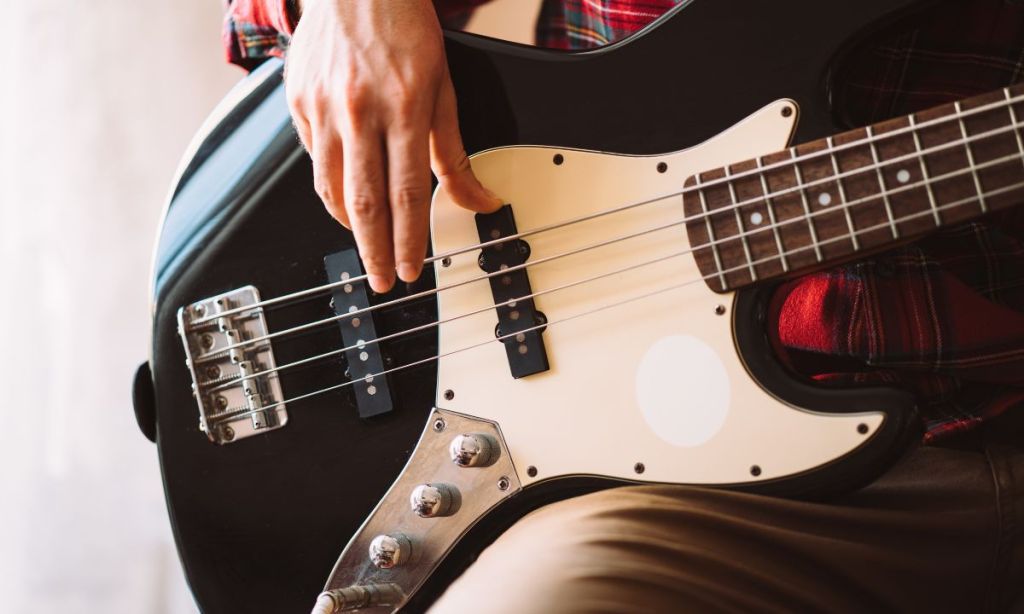
When you take the stage, your guitar skills and performance captivate the audience. But once their ears are hooked, their eyes naturally wander to your gear. From your instrument to your guitar strap, every element shapes how you’re perceived as a musician.
Surprisingly, your guitar strap isn’t just a practical tool—it’s a style statement that can complement your aesthetic and showcase your personality. Choosing the right one is crucial to creating a polished image and ensuring comfort during performances.
Here’s a step-by-step guide to help you find the perfect guitar strap that merges practicality, durability, and style.
1. Select the Best Material for Your Playing Style
The material of your guitar strap significantly impacts its comfort and durability. Choosing the right one depends on your performance needs and personal preferences.
Common materials include:
- Nylon: Lightweight, budget-friendly, and available in many designs. However, it may wear out quickly under frequent use.
- Leather: Durable and professional-looking, ideal for a timeless appearance. Note that leather may feel uncomfortable in humid conditions.
- Polypropylene: Sturdy and eco-conscious, making it a great choice for heavier guitars.
- Cotton: Soft and breathable, perfect for long practice or gig sessions.
- Hemp: Sustainable and stylish, catering to environmentally conscious musicians.
Quick Tip:
If you perform under intense stage lights or in sweaty venues, prioritize breathable materials like cotton or hemp. For heavy-duty needs, go with reinforced nylon or leather.
2. Match the Color to Your Personality
Your guitar strap isn’t just functional—it’s a visual extension of your style. Choose a color or pattern that complements your personality and stage presence.
Style options include:
- Neutral tones: Classic black or brown for a professional and understated vibe.
- Bold colors: Vibrant shades like red, yellow, or neon for a striking statement.
- Patterns: Tribal, floral, or geometric designs for a unique touch of artistry.
Pro Tip:
Coordinate your strap’s color with your guitar or band’s aesthetic for a cohesive and polished look.
3. Make It Personal
Adding a personal touch to your guitar strap sets you apart and highlights your individuality.
Customization ideas:
- Embroider your name or your band’s logo.
- Add meaningful lyrics, quotes, or dates.
- Include symbols, artwork, or patterns that resonate with your personal style.
A customized guitar strap not only enhances your look but also creates a deeper connection to your gear.
4. Consider Your Guitar’s Weight
Guitars come in various weights, and the wrong strap can lead to discomfort or even potential damage to your instrument.
Weight-based recommendations:
- Lighter guitars: Thin and lightweight straps are adequate.
- Heavier guitars: Choose padded or wider straps to distribute the weight more evenly.
5. Prioritize Comfort Above All Else
No matter how stylish a strap looks, it won’t work if it’s uncomfortable. Whether you’re jamming in your studio or performing live, comfort is key.
Comfort factors to look for:
- Adjustability: Straps with adjustable lengths allow you to find your ideal playing position.
- Width: Wider straps reduce shoulder strain, especially for heavier guitars.
- Padding: Essential for longer gigs or heavier instruments to prevent discomfort.
6. Ensure Proper Fit and Adjustability
A good strap should fit snugly and be easy to adjust. Look for designs with reliable adjustment holes or buckles to keep your guitar secure and positioned correctly.
Pro Tip:
Invest in strap locks for added security and peace of mind during high-energy performances.
7. Check for Attachment Durability
The attachments on your guitar strap bear the weight of your instrument. Sturdy leather ends or reinforced stitching ensure longevity and reliability.
8. Research and Get Recommendations
If you’re overwhelmed by options, turn to reviews and recommendations. Fellow guitarists can provide valuable insights into the quality and functionality of specific brands and designs.
9. Keep a Backup Strap
Even the most durable straps can fail unexpectedly. Always carry a spare to avoid disruptions during performances. A backup strap also lets you switch up your look when desired.
10. Experiment to Find Your Perfect Match
Your guitar strap is more than just an accessory—it’s part of your artistic identity. Don’t hesitate to experiment with different materials, colors, and designs until you find the one that truly feels like “you.”
Conclusion
Selecting the right guitar straps isn’t just about comfort or practicality—it’s an opportunity to express yourself as a musician. By considering factors like material, design, and weight distribution, you can find a strap that enhances your performance while showcasing your unique style.
Start your search today and discover how the perfect guitar strap can become a signature part of your stage presence.

Contact Us

Everything Guitar Straps
www.strapgraphics.com
 Everything Guitar Straps